Insights from British American Tobacco’s AGM: PR spin can’t hide huge tobacco profits
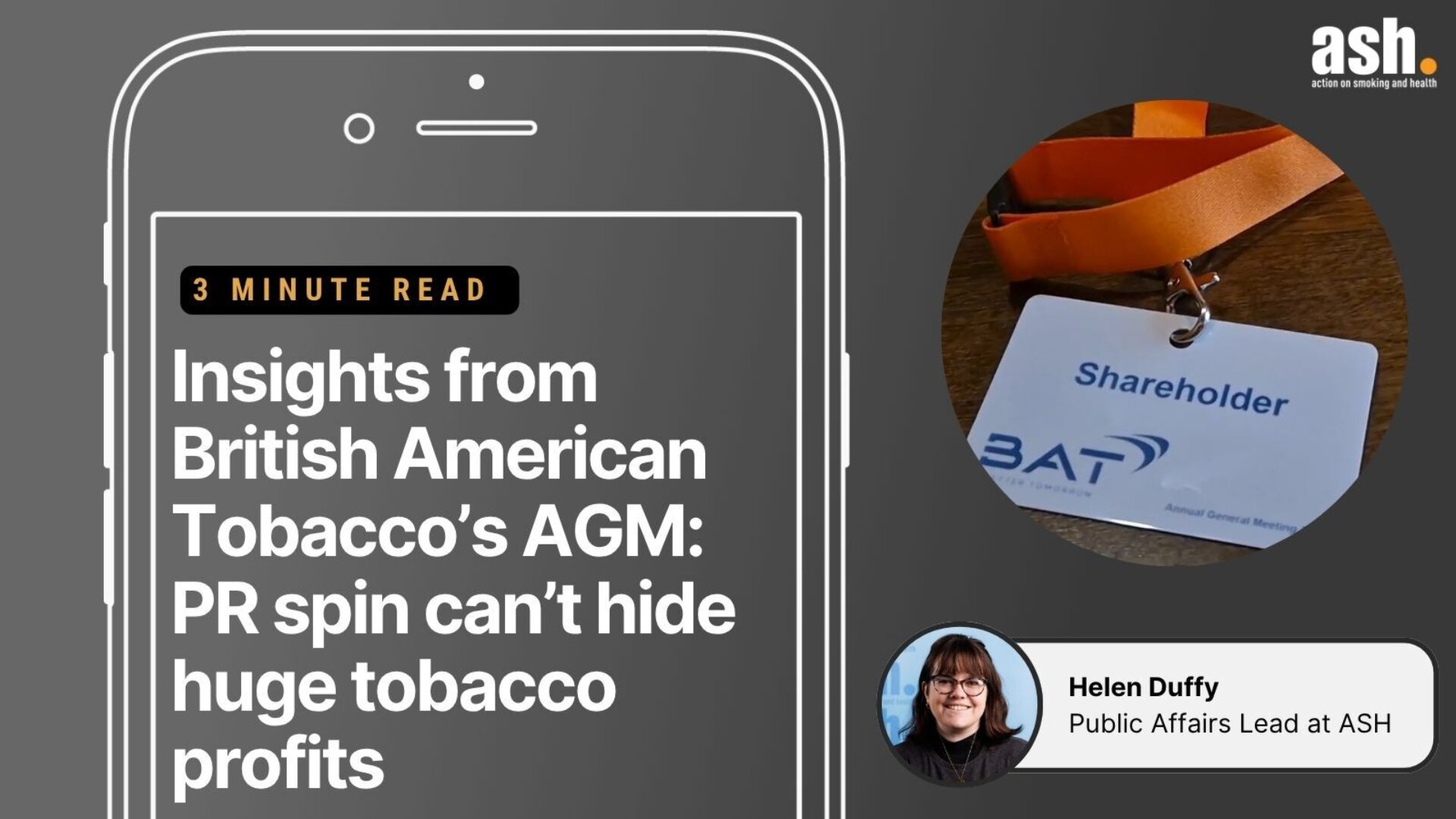
A few weeks ago I attended the British American Tobacco’s Annual General Meeting. I’ve never been to a tobacco company AGM before so wasn’t quite sure what to expect, I guess lots of people in very shiny suits? For anyone who doesn’t know the AGM is where the board of a company reports back to shareholders and allows them to ask questions relating to activities that year.
The first obvious question is how did I get in? Well ASH holds nominal shares in BAT for this exact reason- so that we can go along and try to increase transparency around their activities and ask questions to hold them to account.
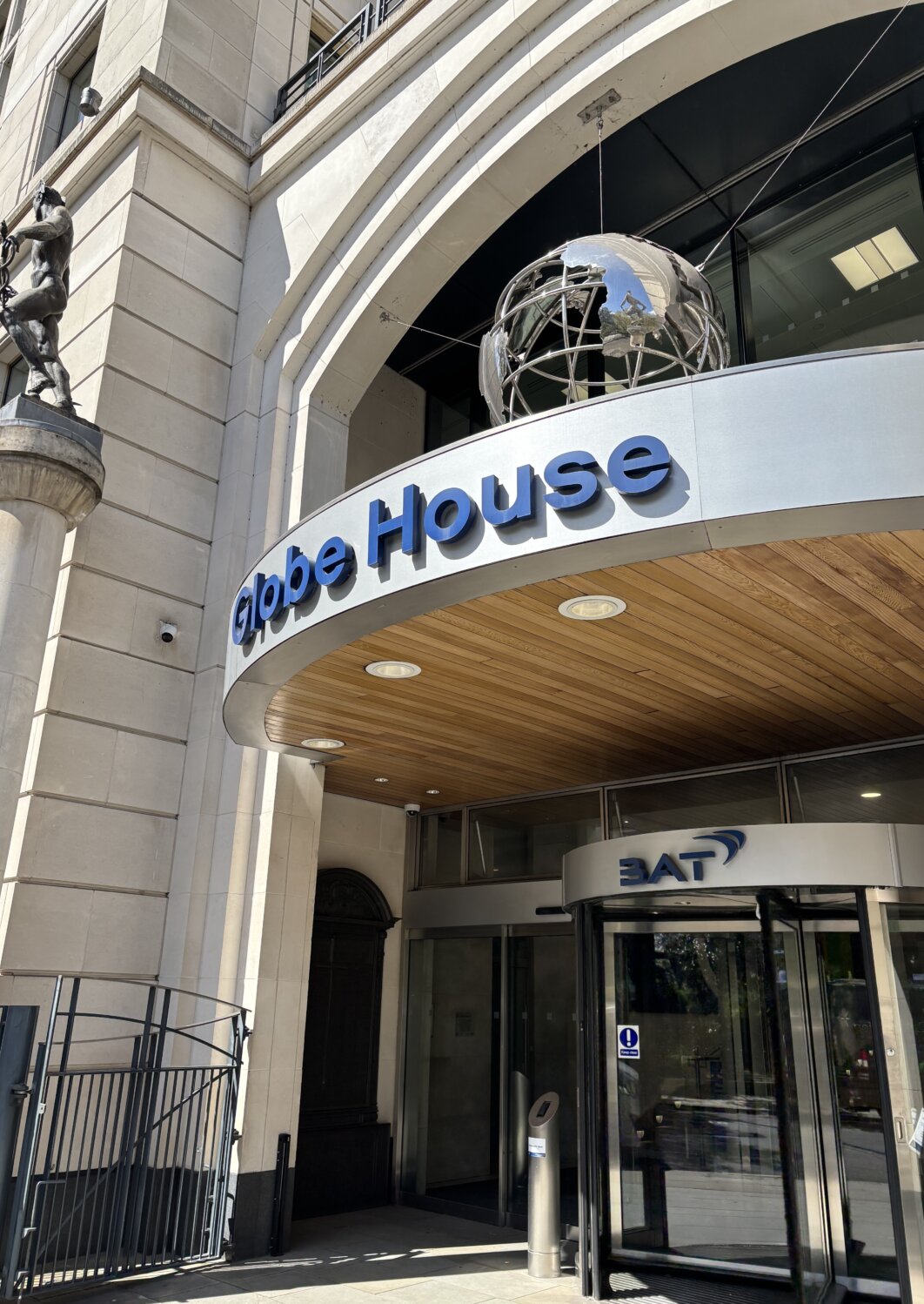
The meeting opened with an address from Chair, Luc Jobin. The key word for this speech was clearly ‘transformation’ (he used it 12 times- only beaten by the word ‘smokeless’ at 18 counts). He really wanted shareholders to know that BAT was on a journey to less harmful products for consumers.
The other thing he really wanted us to know was that BAT is still seriously profitable. £6.3 billion returned to shareholders this year and a whopping £34 billion since 2020. To use his own words “BAT is highly cash generative”.
One might be mistaken for thinking that these impressive profits are somehow causally linked to BAT’s so-called ‘transformation’. Well, that’s exactly what we asked about. Here are some key quotes from the day:
“We perhaps downplay a bit the cigarette side of the business but that doesn't take away its critical role. It is a big part of our business and will continue to be a part of our business.”
That’s right, when pushed by a shareholder why the annual report had just 1 page (out of 400) on combustibles (cigarettes and other tobacco products) when they make up over 80% of revenue the board made it clear that they deliberately downplay the importance of this part of the business. We know that this is their PR spin, but I was surprised they didn’t try to hide it. The Chair even went as far to say “we won’t abandon you” to the smoker who asked the question.
“Our approach is proactive, and our efforts are relentless...engaging in an evidence-based dialogue with key stakeholders, including governments, health authorities and regulators”
Another key theme was just how hard BAT is working to shape the global policy context. I asked specific questions about the Tobacco and Vapes Bill and the UK context and although they wouldn’t tell me how much money they are giving to think tanks and trade groups, it was clear they have a lot to say about the Bill (now an Act!).

Policy making in the UK is protected from the influence of the tobacco industry via Article 5.3 of the WHO Framework Convention on Tobacco Control. This doesn’t stop the industry from using every tool it can to try and influence the agenda. For example, this year a BAT executive appeared on a BBC podcast and was given a policy platform to undermine the Bill.
It was clear from the meeting that countries without such strong protections in place are at great risk of tobacco industry interference and influence.
“We don’t play in that movie and never will”
When asked about marketing new nicotine products to children the chair made it clear that their policy was to market to adults only and he emphasised that they don’t want children to use their products... if you know anything about the history of the industry targeting young people for their lethal tobacco products this is a bit on the nose!
“I firmly believe were it not for the stigma that surrounds the industry, our transformation to date would be considered extraordinary.”
I’ll leave you with this one. The ‘stigma’ around tobacco may come from the fact that it is the deadliest commercial product in existence, killing two thirds of long-term users.
The company has no intention of stopping selling cigarettes. They continue to grow this area of their business whenever they get a chance (citing Türkiye and the US as two examples in the meeting).
If BAT are waiting for a pat on the back for making some investments in alternative nicotine products when forced to adapt by regulation, they shouldn’t hold their breath.